ByJohn A
Building a More Reliable Thermal Processing Workflow for Glass
Glass manufacturing depends on precision at every stage. From preparing the raw material to cutting, edge treatment, washing, heating, cooling, and inspection, each step can influence the final product. When thermal processing is involved, the importance of process control becomes even greater.
A reliable production workflow does not depend on a single machine. Instead, it combines appropriate technology, well-trained employees, preventative maintenance, quality inspection, and clear production procedures.
Start With Proper Material Preparation
Before glass enters a thermal processing system, it should be prepared according to the production requirements.
Dimensions, thickness, edge quality, cleanliness, and surface condition should be checked. Contamination or processing problems present before heating can affect the final product.
Good preparation therefore provides an important foundation for later stages.
Cleaning Before Heating
Clean glass surfaces are essential for controlled processing.
Dust, particles, oils, and other contaminants can interfere with the appearance or processing of the glass. Washing systems should therefore be maintained properly and operated according to established procedures.
Regular inspection of cleaning equipment can help prevent contamination from becoming a recurring production issue.
Establishing Correct Parameters
Different glass products require different processing settings.
Thickness, size, composition, and intended application can all influence suitable parameters. Operators should use documented procedures instead of relying solely on informal adjustments.
A standardized setup process can reduce errors when production changes from one product specification to another.
Monitoring Temperature
Temperature is one of the most important variables during thermal processing.
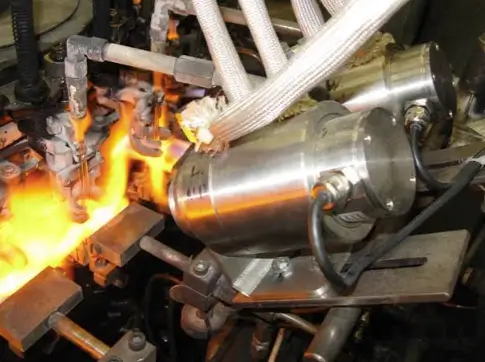
Modern equipment can use sensors and digital control systems to monitor heating conditions. Operators can use this information to identify deviations and make adjustments when appropriate.
Temperature records can also be useful for quality analysis and production documentation.
Maintaining Smooth Glass Movement
The glass must move through the production line in a controlled manner.
Mechanical systems such as rollers need to remain clean, aligned, and in good condition. Problems with movement can affect processing consistency and may increase the risk of product damage.
Routine inspection should therefore be part of the production schedule.
See also: How Smart Technology Is Changing Workplace Culture
Managing Production Changes
Manufacturers often need to switch between different products.
Changeovers can affect productivity if they require lengthy setup or frequent manual adjustments. A well-organized workflow can reduce unnecessary downtime by preparing the correct settings, materials, tools, and documentation before the change begins.
Digital production records can make it easier to reproduce previously established settings.
Quality Control at Multiple Stages
Quality control should not happen only at the end of production.
Checking the glass before processing, monitoring the equipment during production, and inspecting finished products can provide a more complete quality system.
Early detection is valuable because it can prevent a problem from affecting an entire production batch.
Maintenance Planning
Unplanned equipment downtime can disrupt manufacturing schedules.
Preventive maintenance helps production teams identify worn components, cleaning requirements, calibration needs, and other issues before they develop into larger problems.
A maintenance schedule should include both daily checks and more detailed periodic inspections.
Training the Production Team
Technology can only perform effectively when employees understand how to use it.
Operators should receive training on machine controls, safety systems, product setup, troubleshooting procedures, cleaning, and emergency responses.
Refresher training can also be useful when equipment is upgraded or production requirements change.
Energy Management
Thermal processing can consume significant energy, so manufacturers should monitor energy performance.
Proper insulation, optimized settings, maintenance, and efficient operating procedures can help reduce unnecessary energy use. However, energy savings should not come at the expense of required product quality.
The objective should be to find an appropriate balance between productivity, quality, and operating efficiency.
Choosing Equipment Carefully
When expanding or upgrading a production line, businesses should look beyond the machine’s headline specifications.
Questions about capacity, glass dimensions, thickness range, automation, installation requirements, energy use, spare parts, and technical support can be equally important.
For manufacturers considering equipment for specialized curved glass production, EASTTEC Top Convection Curved Glass Tempering Machine with Hard Roller provides one technology option to investigate alongside other suitable systems.
Creating a Continuous Improvement Culture
Manufacturing processes can often be improved gradually.
Production teams can review rejection rates, downtime, maintenance records, energy consumption, and customer feedback to identify opportunities for improvement.
Small adjustments to workflow or maintenance routines may produce meaningful results when applied consistently.
Frequently Asked Questions
1. Why is workflow important in glass manufacturing?
A structured workflow helps coordinate material preparation, processing, inspection, maintenance, and production scheduling. This can support consistency and reduce avoidable interruptions.
2. How often should glass processing equipment be maintained?
Maintenance frequency depends on the equipment, production volume, operating environment, and manufacturer’s recommendations. Daily checks and scheduled preventive servicing are generally important.
3. Can automation improve glass production?
Automation can help control production parameters and reduce some manual tasks. Its benefits depend on how well the system matches the manufacturer’s products and workflow.
Conclusion
A reliable glass processing operation is built through the combination of appropriate machinery, disciplined procedures, skilled operators, and effective quality management. Thermal equipment plays a major role, but the surrounding workflow is equally important.
Manufacturers can strengthen their operations by monitoring production conditions, maintaining equipment, training employees, and reviewing performance data regularly. With a structured approach, companies can create a production environment that is better prepared for changing customer requirements and increasing product complexity.